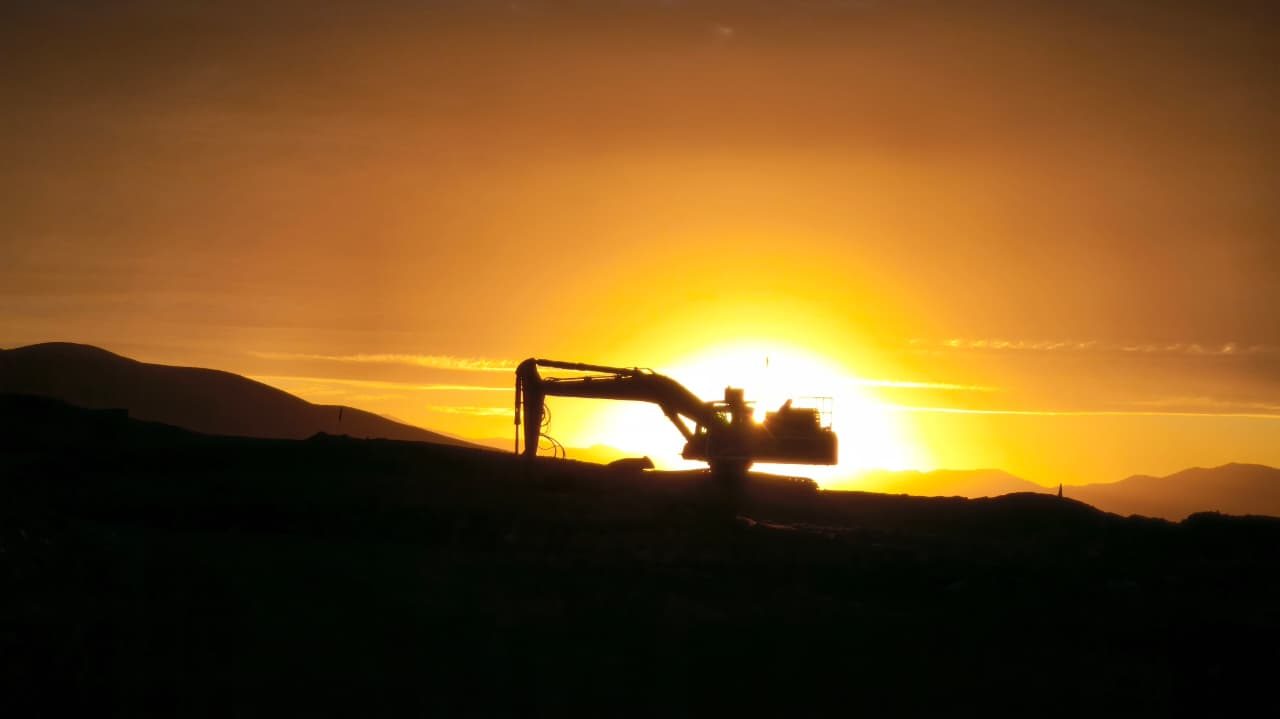
Excavator silhouetted against a sunset
LyP Consulting

SSOMA / HSSE training for mining

Training that shows in the field

We train companies and people to work to the standards of large-scale mining. Every course is reinforced with short learning capsules, so what is learned reaches the work front.

Request a quote See how the capsules work

Reference standards: BHP · Codelco · AMSA

Our three pillars

Companies, people and certifications

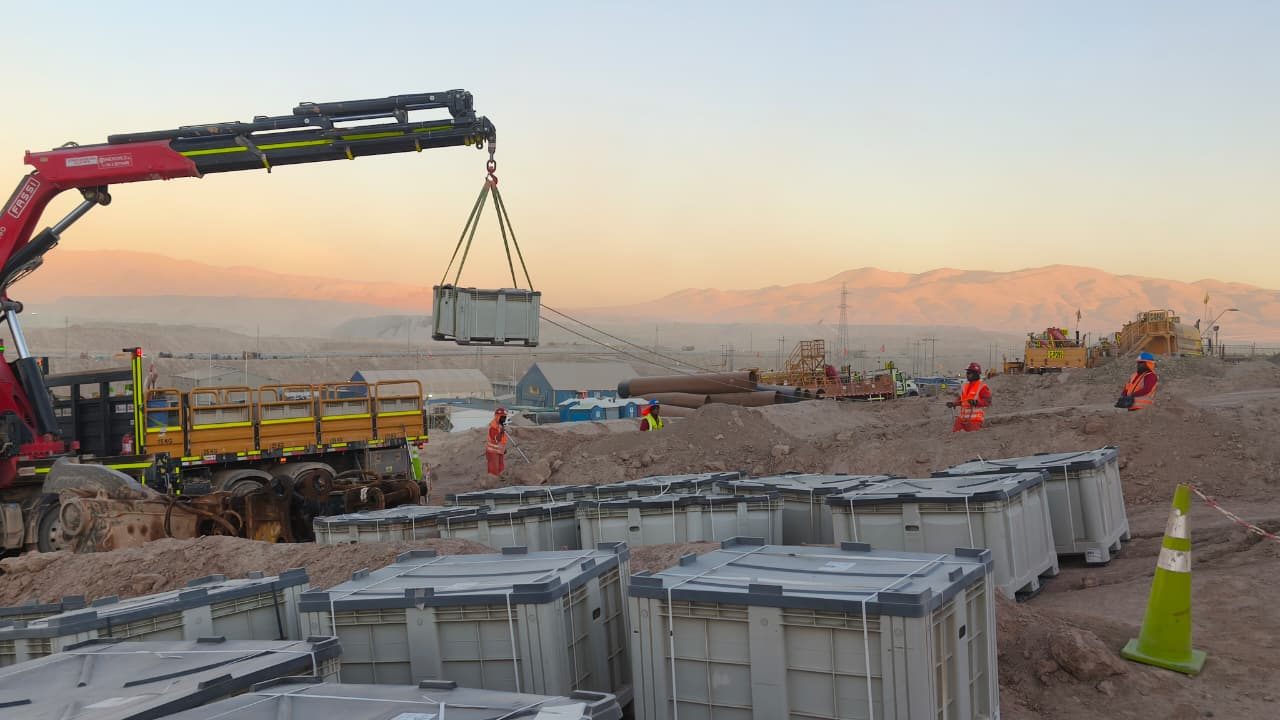
Lifting operation with a crane truck at a mine site

01

Companies

We train contractor teams to meet what the mine owner requires from the first day on site.

See sample standards
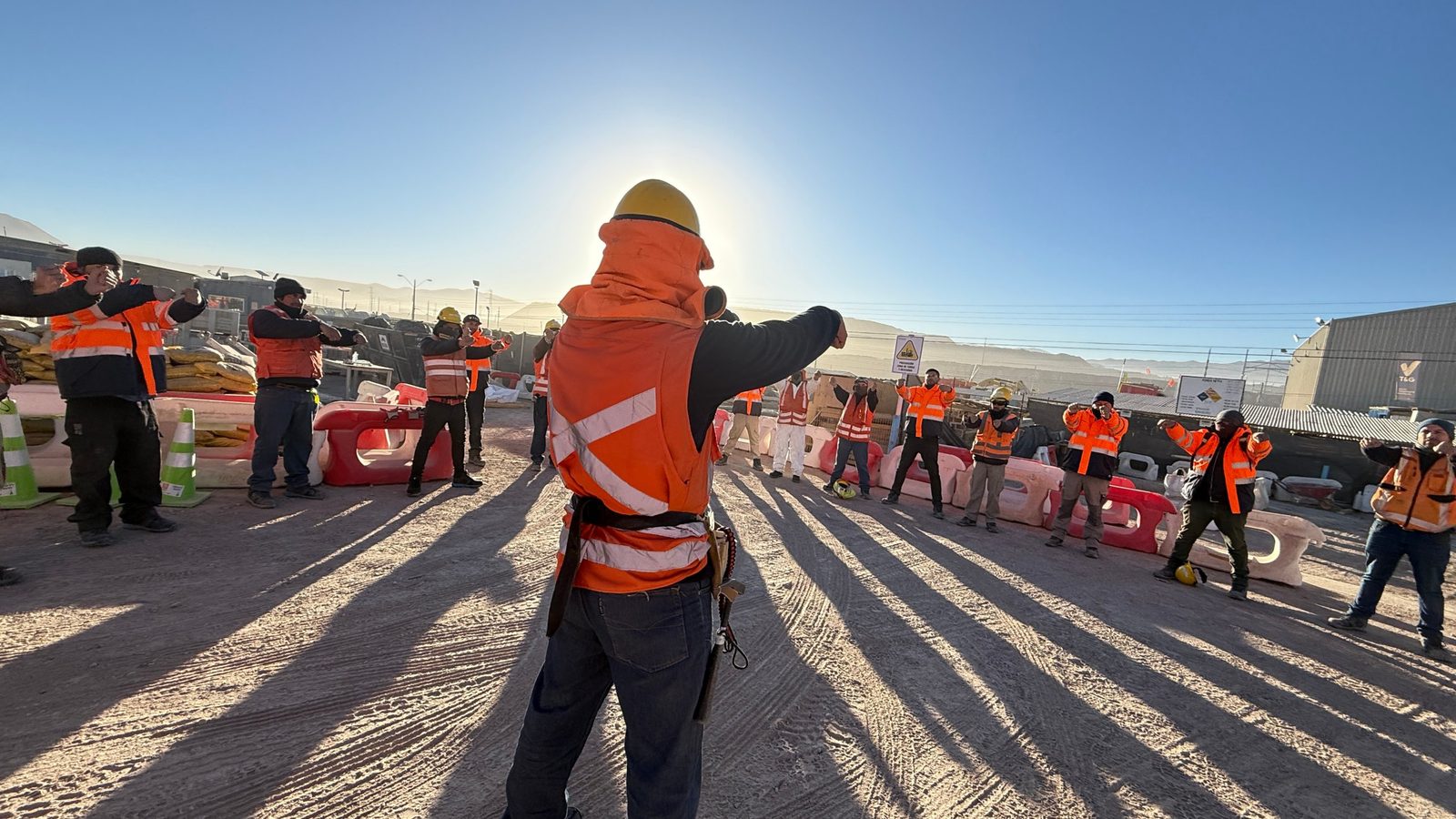
Instructor leading start-of-shift exercises

02

People

Courses for workers, supervisors and safety professionals who want to enter or grow in mining on a solid footing.

See what we train
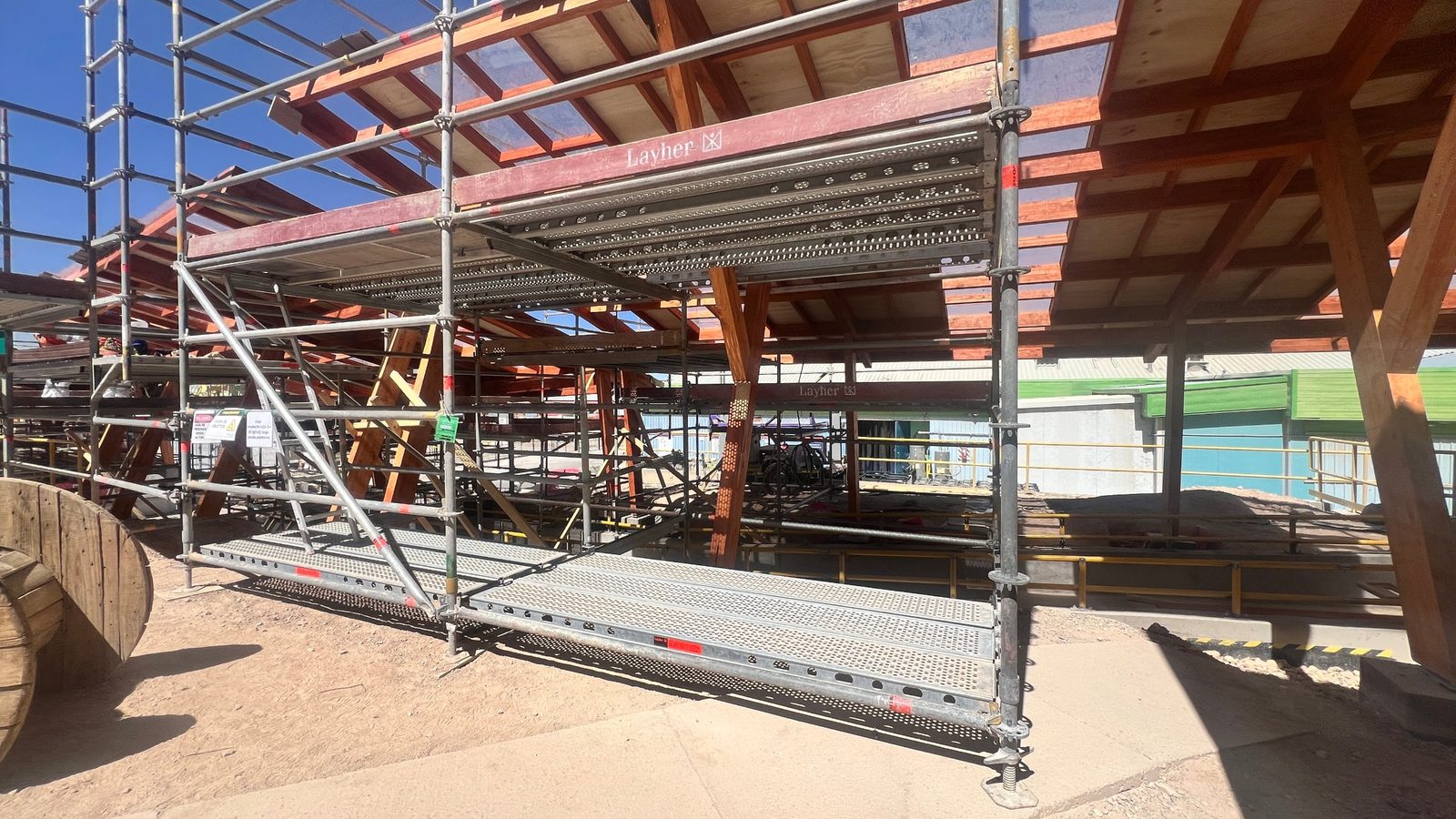
Scaffold erected and inspected on site

03

Certifications

We assess each company's integrated management system and leadership against standards such as those of BHP, Codelco and AMSA.

See certifications

What we train

Three competencies in every course

The same three competencies guide our work with companies and with people. The scope changes, the criteria do not.

COMPETENCY 1

Knowing how to do the job

For companies

Teams that master the task, its risks and its critical controls before carrying it out.

For people

You know the procedure for your job and why each control exists.

What you learn

  • What a procedure is and when it applies
  • What a work instruction is and when it applies
  • Each company's preventive tools: CIS card, ART and AST
  • When a procedure is fit for use: up to date, signed, legible, communicated and assessed
  • How the work is planned
  • Which standards apply to the task

COMPETENCY 2

Being prepared and equipped

For companies

Resources, equipment, permits and controls in place before the task starts.

For people

You arrive at work with your protective equipment, tools and authorizations up to date.

What you learn

  • Which PPE is fit for my job
  • My job profile and my responsibilities
  • The company's cardinal rules and recommendations
  • What consequence management means
  • How the internal order, hygiene and safety regulations apply to me, both my employer's and the mine owner's
  • The camp regulations
  • Carrying the certification of my PPE
  • Having a pre-employment medical exam that matches my job
  • What condition my tools must be in: certified and inspected
  • Which additional elements to consider: demarcation, segregation and signage

COMPETENCY 3

Documenting the job assessment properly

For companies

Risk assessments and records that are complete, traceable and audit-ready.

For people

You complete the risk analysis for your task and its records correctly.

What you learn

  • I know my risk matrix and it is linked to my procedure and my risk map
  • I have completed my risk analysis
  • Which checklist I must apply
  • How I control material, critical or fatality risks
  • How I apply critical controls correctly
  • What I must keep in my physical or digital folder to ensure compliance
  • Which work permit I need and when it applies
  • Whether I need any additional permit
  • Whether I am working with personnel certified for the activity, and how to verify it
  • I know how the standard applies

For companies

General standards we train on

Examples of the topics every contractor must master to work with a large-scale mine owner.

  1. 01

    Special contractor regulations

    What the mine owner requires, prohibits and penalizes, explained for those who must comply.

  2. 02

    Management plan and program

    How to build and maintain the contract's safety, health and environment plan.

  3. 03

    Roles and coordination

    Responsibilities of line management, the safety professional and the site joint health and safety committee.

  4. 04

    Contract start-up, operation and close-out

    Accreditation, site access, operational control and final handover of the service.

  5. 05

    Risk analysis and critical controls

    Identify the risks of the task and verify its controls before working.

  6. 06

    Occupational health and hygiene

    Medical exams, health surveillance, alcohol and drugs, fatigue and drowsiness.

  7. 07

    Incident reporting and investigation

    Immediate notification, investigation and corrective actions with deadlines and owners.

  8. 08

    Environment and community

    Environmental matrix, waste management and relations with neighboring communities.

Reference examples, based on the special contractor regulations of Antofagasta Minerals (RECSS), Codelco (RESSO) and Escondida | BHP. The content of each course is tailored to the mine owner and the contract.

Areas of work

Systems and plans we develop

Each area starts from a base structure, which is then tailored to the company and the contract.

Certifications

Let your company show how it works

We assess each company on two fronts and deliver a result with gaps and a close-out plan.

References: BHP, Codelco and AMSA standards.

[Define the scope and backing of your certification here]

Integrated management system

We check that safety, occupational health and environment work as a single system, implemented and backed by evidence.

Leadership

We assess how line management exercises safety in the field: presence, decisions and follow-up.

Management system

The eleven pillars we work on

  1. 01 Leadership and commitment
  2. 02 Policies and objectives
  3. 03 Roles, responsibilities and authority
  4. 04 Hazard identification and critical controls
  5. 05 Participation and consultation
  6. 06 Communication and escalation
  7. 07 Resources and competencies
  8. 08 Operational control
  9. 09 Verification and measurement
  10. 10 Investigation and learning
  11. 11 Management review and improvement

Leadership

First we get to know the leader

We identify their capabilities and how they manage their activities in the field.

  1. 01 Self-awareness
  2. 02 Self-management
  3. 03 Strategic planning
  4. 04 Active listening
  5. 05 Digital skills
  6. 06 Scheduled activities
  7. 07 Quantity and quality of activities
  8. 08 Close-out using the SMART method

What each certification includes

  • Field leadership plan

  • Tailored activity program

  • 5

    Topic guide for the 5-minute safety talk

  • Applicable critical controls

  • PAP guide

  • Assertive communication in emergencies

  • Conflict management

  • Self-awareness techniques

  • Self-control techniques

Learning capsules

What is learned does not stay in the classroom

Every course comes with short video capsules that participants watch on their phone.

  1. BEFORE

    Entry capsule

    It introduces the topic and the risk according to the mine owner's standard. There is a version for each one:

    • BHPMaterial risks · Escondida | BHP contractor regulations
    • AMSAFatality risks · Antofagasta Minerals RECSS
    • CodelcoCritical risks · Codelco RESSO
  2. DURING

    Training

    In-person or online session, with real cases from site.

    At this stage we reinforce:

    • Change of conditions
    • Reckless actions
    • Stopping the work
    • Raising your hand
    • Intervening with respect
    • Empathy within the team
  3. AFTER

    Reinforcement capsules

    Critical controls

    How to apply them correctly

    • How I ensure critical controls are met
    • What I must do if a critical control is not in place
    • How I should understand when a critical control applies
    • How to teach it to the team

    One version for all mine owners. They end with a short assessment.

  4. AT CLOSE

    End of the shift

    The day closes in order and the next one starts planned.

    • Close-out meeting
    • Gap identification
    • Assigning an owner
    • Closing out identified actions or conditions
    • Planning the next day
    • Resource control
    • Communication management

One risk, three ways of naming it

BHP

Material risks

[Mine owner's current official list]

Codelco

Critical risks

[Mine owner's current official list]

AMSA

Fatality risks

[Mine owner's current official list]

Each entry capsule presents the risk with the mine owner's name and controls. Examples of risks common to all three:

  • Work at height

  • Lifting operations

  • Hazardous energy

  • Confined spaces

  • Vehicles and mobile equipment

  • Rockfall

  • Fire

  • Contact with hazardous substances

  • Ground failure

  • Contact with electrical energy

  • Road accident

  • Entrapment

  • Falling object

  • Detonation and blasting

  • ?

    Getting lost outside the industrial area

Everyday risks are trained too

BHP

Non-material risks

Codelco

Non-critical activities

AMSA

Non-fatal risks

  • Struck by or against

  • Trapped limbs

  • Spill of substances and/or waste

  • Same-level fall

  • Overexertion

  • Noise exposure

  • Contact with extreme temperatures

  • Contact with chemicals and/or waste

  • Contact with sharp edges

  • Flying particles

  • Arc flash exposure

  • Glare

Know-how

Fatigue and drowsiness

Reinforces the fatigue and drowsiness plan so that every person understands and applies it.

  • What it is and why it matters
  • When it applies
  • How to identify the symptoms

1 min 6 s · [Course it belongs to]

Being prepared

Health protocols

Reinforces the Chilean Ministry of Health (MINSAL) protocols that protect people exposed to noise, silica, musculoskeletal disorders, solar UV radiation, hypobaria and psychosocial risks.

  • What they are
  • Which ones apply, depending on exposure
  • When they apply
  • Why they matter
  • How to know them

1 min 41 s · [Course it belongs to]

Documentation

Complementary plans

Five plans the team must know before they are needed. The road plan is the one used every day, which is why it gets the most emphasis.

  • Road plan: defines the internal connecting routes and the vehicles present on site; sets the behaviors expected of the driver, the co-driver and pedestrians; and includes GPS monitoring and the consequence management plan.
  • Emergency plan: identifies critical work, coordinates the arrival of the emergency teams in advance through site visits, and is tested with drills that measure the effectiveness of the response and the participation of the team.
  • Winter plan: anticipates alerts, equips first response teams, sets up the emergency committees (our own and the client's), and organizes planning meetings, personnel monitoring and control, and the return to the work areas.
  • Contingency plan: [Topics to be defined]
  • Communication plan: establishes the communication flowchart: how to report and when to do it.

1 min 41 s · [Course it belongs to]

A plan built for you

We design a plan tailored to you

We start by getting to know your organization and finish when the improvement sustains itself.

  1. 01

    Diagnostic visit

    We come to your organization. It can be preliminary, for an overall view, or specific, focused on one area or risk.

  2. 02

    Weaknesses identified

    We prioritize systematic work to close the gaps, one by one.

  3. 03

    Work plan

    We define actions, owners and deadlines tailored to your operation.

  4. 04

    Follow-up and support

    We stay with you in the field until the results hold.

Teach to learn.
Learn to protect ourselves.
Protect ourselves to be the best.

We support your good results until a preventive culture becomes part of the way you work. That is why we work with teams to develop leaders.

Book a diagnostic visit
Machinery working on the high plateau with the mountains in the background
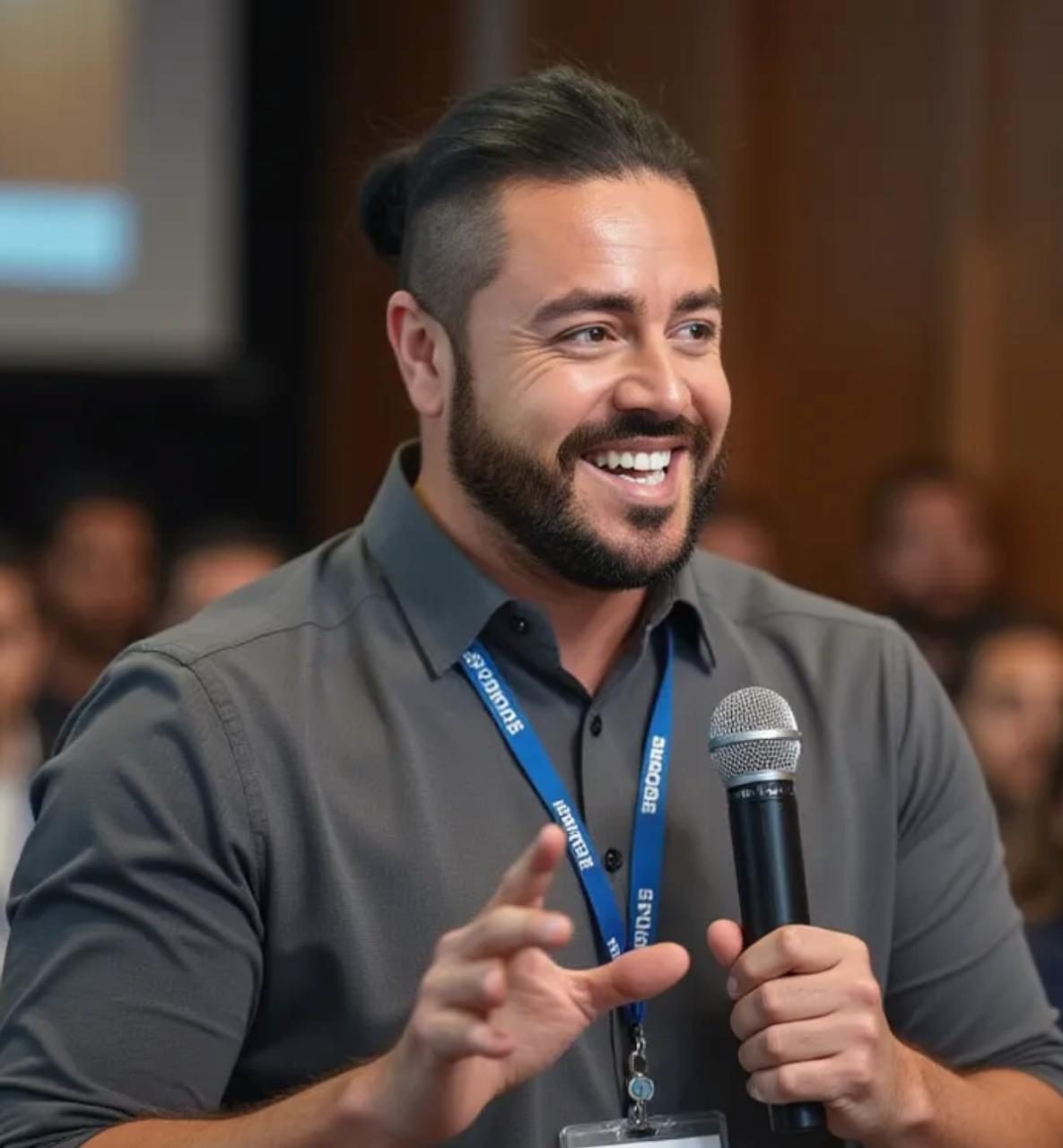
Lynden Bórquez Palacios speaking with a microphone to an audience

Who is behind it

Lynden Bórquez Palacios

Risk Prevention Engineer with 15 years of experience in safety, occupational health and environment in Chilean mining.

  • Sernageomin-certified Risk Prevention Expert, Category B
  • Industrial Safety Specialist, with a focus on Environment
  • Diploma in Logistics and Operations Management
  • High-performance team leadership coach

Contact

Tell us what you need to train

We reply with a proposal of course, capsules and dates.
WhatsApp: +56 9 8834 7757 [email protected] LinkedIn: Lynden Bórquez Palacios Instagram: @lypconsultoria Facebook: LyP Consultoría TikTok: @lypconsultoria X: @lypconsultoria YouTube: @LyPConsultoria